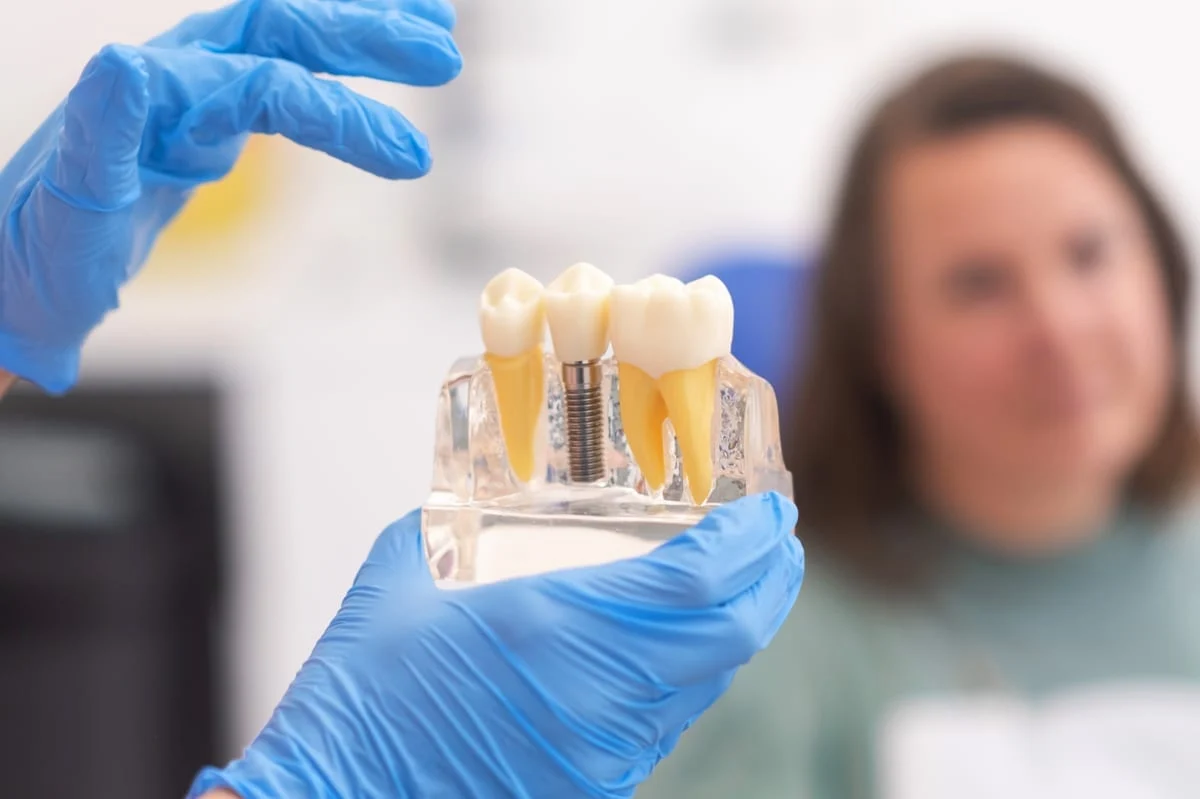

Most dental problems do not start with pain. They start quietly, hidden beneath the surface where no mirror or naked eye can find them. That is exactly why early detection saves teeth — and why digital X-rays matter now more than ever for New York patients. At The Smile Code, Dr. Ramin Tabib uses advanced digital imaging to find problems early, before they become costly or painful. In a city as fast-paced as New York, staying ahead of dental issues is one of the smartest things you can do for your health.
What Happens When Problems Go Undetected in New York
Dental decay can develop for months without any visible symptoms. Gum disease often progresses silently until bone loss has already begun. Cysts, infections, and early tumors can grow unnoticed without proper imaging. By the time a patient feels discomfort, the problem is usually well advanced.
Delaying routine X-rays means giving these conditions more time to worsen. A small cavity that could be treated with a simple filling may grow into a situation requiring a root canal. A minor gum issue may develop into significant bone loss. The cost — financial, physical, and emotional — rises sharply the longer a problem goes untreated.
New York life is busy, and it is easy to skip dental visits. But skipping imaging is not saving time — it is borrowing trouble. Early detection saves teeth, and it saves patients from far more complex treatment down the road.
How Digital X-Rays Work and Why They Are Better
Digital X-rays are a significant advancement over traditional film-based imaging. Instead of chemical film, a small digital sensor captures images almost instantly. Those images appear on a chairside screen within seconds. Dr. Tabib can review them with you in real time, explaining exactly what he sees.
The benefits of digital X-rays are clear and well documented:
- Up to 90% less radiation than traditional film X-rays
- Instant image availability — no waiting for film to develop
- Higher resolution for sharper, more detailed views
- Easy comparison to previous images to track changes over time
- Environmentally friendly — no chemical processing required
- Secure digital storage for your long-term dental records
This technology makes the entire diagnostic process faster, safer, and more informative. Patients leave with a clearer picture of their oral health. That transparency supports better decisions and fewer surprises.
What Digital X-Rays Can Detect That You Cannot See
Digital X-rays reveal structures that are completely invisible to the human eye. This is where their real power lies. Many of the most damaging dental conditions live below the gumline or between teeth. Without imaging, they stay hidden until they cause serious harm.
Here is what digital X-rays help detect at The Smile Code:
- Cavities between teeth and beneath existing restorations
- Bone loss caused by gum disease
- Infections at the root tips of teeth
- Impacted or misaligned wisdom teeth
- Jawbone abnormalities, cysts, or tumors
- Changes in tooth root density over time
Oral cancer screening is another critical area where imaging plays a supporting role. When combined with a thorough visual exam, digital X-rays help Dr. Tabib evaluate areas that require closer attention. Early-stage oral cancer has a significantly higher survival rate when caught early. That alone makes routine imaging a potentially life-saving step.
This level of detail also supports planning for treatments like Preventive Dentistry New York patients rely on to maintain long-term oral health. Knowing the full picture helps the care team create a treatment plan that is personalized and precise.
How Often Should New York Patients Get Digital X-Rays
The frequency of X-rays depends on your individual risk factors. Not every patient needs them at every visit. Dr. Tabib evaluates your history, current oral health, and any symptoms before recommending imaging. His approach is always thoughtful and patient-specific.
General guidelines suggest the following:
- New patients typically receive a full set of X-rays to establish a baseline.
- Adults with good oral health may need bitewing X-rays every 18 to 24 months.
- Patients with a history of decay or gum disease may benefit from more frequent imaging.
- Children often require more regular monitoring as their teeth and jaws develop.
These intervals are guidelines, not rules. Your dentist will adjust recommendations based on what is clinically appropriate for you. The goal is always to use the minimum exposure needed to get the maximum diagnostic value.
When you combine regular imaging with consistent checkups, you create a dental health record that tells a detailed story over time. Changes between visits become visible. Patterns emerge. That information helps your care team catch problems earlier and intervene more effectively.
Connecting Digital X-Rays to Your Whole-Health Picture
Oral health does not exist in isolation. Research continues to show strong links between gum disease and conditions like heart disease and diabetes. Early detection of oral problems may help protect your systemic health as well. This is one reason why routine dental visits carry more weight than many patients realize.
Digital X-rays are a foundational tool in a broader commitment to your wellbeing. They fit naturally alongside teeth cleaning, oral cancer screening, and other preventive services. For patients interested in restoring or enhancing their smile, imaging is also essential for planning treatments. Accurate X-rays support decisions around dental implants, crowns, and even Cosmetic Dentistry New York patients are increasingly seeking for aesthetic and functional improvements.
Dr. Ramin Tabib and the team at The Smile Code treat every patient as a whole person. Digital X-rays are not just a technical step — they are part of a commitment to informed, compassionate care. You deserve to understand what is happening in your mouth. That knowledge is the foundation of every good dental decision.
Conclusion: Do Not Wait for Pain to Act
Pain is a late signal. By the time a tooth hurts, the problem is usually far past its earliest and most treatable stage. In New York, where schedules are full and dental visits are easy to postpone, that delay can be costly. Digital X-rays give Dr. Tabib the ability to catch problems when they are still small, still simple, and still affordable to treat.
Early detection saves teeth. It saves time. It saves money. And it gives you the confidence of knowing exactly where your oral health stands. The Smile Code is here to make that process comfortable, informative, and truly patient-focused. Book Now to schedule your appointment with our team.
Frequently Asked Questions
Are digital X-rays safe for patients of all ages?
Yes. Digital X-rays emit significantly less radiation than traditional film X-rays — up to 90% less in some cases. They are considered safe for children, adults, and seniors. Dr. Tabib follows established guidelines to ensure imaging is only used when clinically necessary.
How long does a digital X-ray appointment take?
Digital X-rays are fast. The images appear on the chairside monitor within seconds. For most patients, the imaging portion of a checkup adds only a few minutes to the appointment. There is no waiting for film development as there was with older technology.
Will I be able to see my X-ray images during my visit?
Absolutely. One of the advantages of digital X-rays is that Dr. Tabib can display your images immediately on a screen chairside. He will walk you through what he sees and explain any areas of concern in plain, easy-to-understand language.
Can digital X-rays detect oral cancer?
Digital X-rays play a supporting role in oral cancer detection by revealing abnormalities in the jawbone and surrounding structures. They are used alongside a thorough visual and physical oral cancer screening. Together, these tools help identify suspicious areas that warrant further evaluation.
How is The Smile Code different from other dental offices in New York?
At The Smile Code, Dr. Ramin Tabib combines advanced technology with a genuinely patient-centered philosophy. Digital X-rays are one example of how the practice uses modern tools to deliver more precise, comfortable, and transparent care. Every recommendation is based on your individual needs — not a one-size-fits-all approach.