
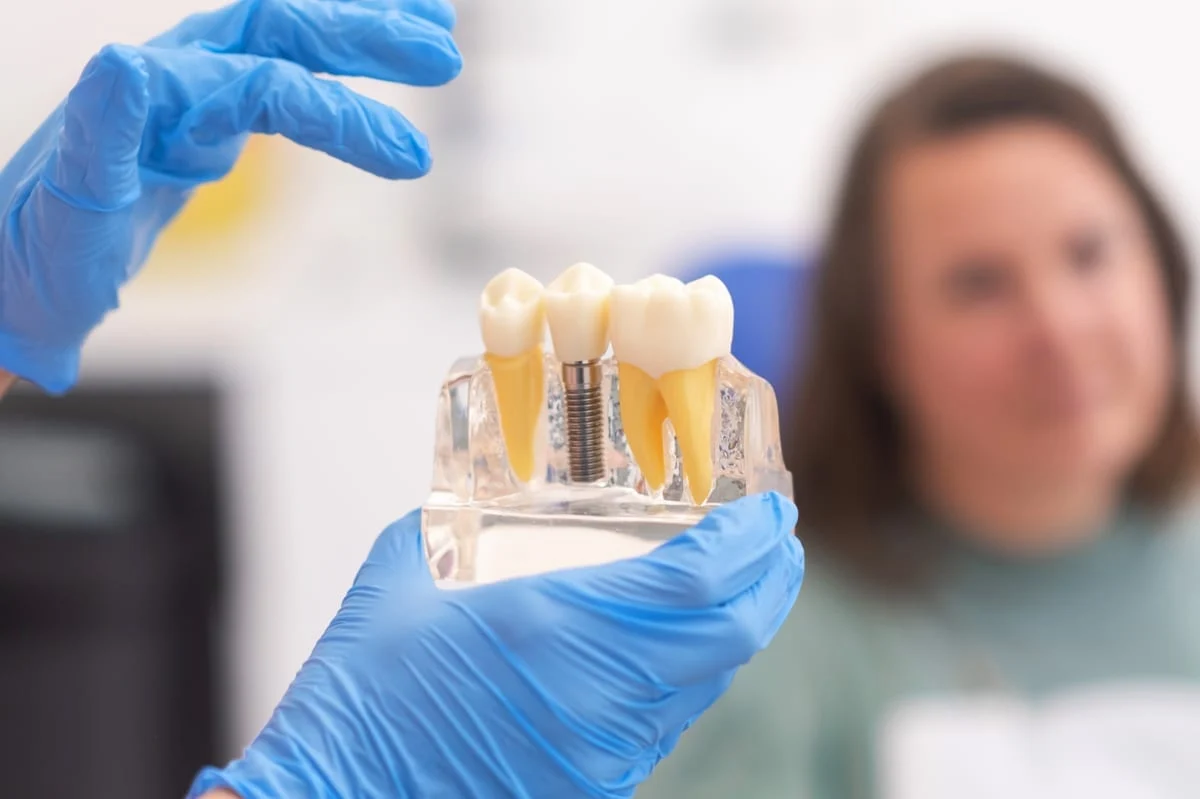
If you’ve been researching tooth replacement options, you’ve probably noticed that pricing can feel unclear. Dental implant costs explained simply can go a long way toward helping New York patients make confident decisions. At The Smile Code, Dr. Ramin Tabib believes you deserve honest, straightforward answers before committing to any treatment. This guide breaks down what actually drives the price of dental implants in New York — so you can plan wisely.
Why Dental Implant Costs Vary So Much in New York
New York is one of the most diverse dental markets in the country. Pricing reflects a wide range of factors, from location to technology to individual patient needs. Two patients sitting in the same waiting room may receive very different treatment estimates. Understanding why helps you evaluate your options with confidence.
Several core factors influence what you’ll pay for dental implants in New York:
- Number of implants needed — A single missing tooth costs less than replacing multiple teeth.
- Bone density and volume — Some patients require bone grafting before implant placement, which adds to the total.
- Type of restoration — A crown, bridge, or full arch prosthetic each carries a different price point.
- Materials used — High-quality titanium posts and ceramic crowns affect the final cost.
- Technology involved — Practices using digital X-rays and 3D imaging often provide more precise, safer outcomes.
- Dentist experience and credentials — Skilled implant providers invest heavily in advanced training.
No two smiles are identical. That’s why a personalized consultation is the only reliable way to get an accurate estimate.
What’s Actually Included in the Dental Implant Price
Many patients focus on the upfront number without understanding what it covers. A comprehensive implant fee typically includes several components. Knowing what’s bundled in can help you compare quotes from different New York providers fairly.
Here’s what a complete dental implant treatment generally involves:
- Initial consultation and diagnostics — Including digital X-rays and a full clinical exam.
- Implant placement surgery — The titanium post is placed into the jawbone by your dentist.
- Healing period monitoring — Follow-up visits to track osseointegration (how the implant fuses with bone).
- Abutment placement — A connector piece that links the post to your final restoration.
- Final crown or prosthetic — The visible tooth replacement that restores your smile’s function and appearance.
Some practices quote only the surgical fee. Others include the crown and all follow-up care. Always ask exactly what’s covered before you compare prices.
Dental Implant Costs Explained: The Role of Your Oral Health
Your existing oral health has a direct impact on the total cost of treatment. Patients with healthy gums and adequate bone density tend to have simpler, more affordable implant procedures. Others may need preparatory work first. Addressing these issues isn’t optional — it’s essential for long-term success.
Common pre-implant treatments that affect pricing include:
Bone grafting — If significant bone loss has occurred, grafting rebuilds the jaw before implant placement. This adds both time and cost to the process.
Tooth extractions — Damaged teeth that haven’t yet been removed must be extracted first. This step is often quoted separately.
Gum disease treatment — Active periodontal disease must be resolved before implants can succeed. That’s where investing in Preventive Dentistry New York pays real dividends — healthy gums protect your implant investment long-term.
Taking care of your oral health before and after implant placement reduces the risk of complications. Complications are costly — both financially and physically.
How Location and Practice Quality Affect Implant Pricing in New York
New York City practices operate in one of the most expensive cities in the world. Overhead costs — rent, staffing, equipment — are significantly higher than in suburban or rural areas. These expenses are reflected in treatment fees across the board. That said, higher cost doesn’t always mean better quality, and lower cost doesn’t mean a bargain.
When evaluating any New York implant provider, consider these quality indicators:
- Does the practice use current digital imaging technology?
- Does the dentist have documented implant training and experience?
- Are follow-up appointments included in the quoted price?
- Does the team take time to answer your questions clearly?
At The Smile Code, Dr. Ramin Tabib uses state-of-the-art digital X-rays and a thorough diagnostic process. This ensures implant planning is precise from the very start. Precision reduces complications and protects your investment.
Patients also ask about cosmetic outcomes. Dental implants are closely linked to smile aesthetics, which is why many implant patients also explore Cosmetic Dentistry New York to complete their transformation.
Making Dental Implants More Affordable in New York
Sticker shock is real. But many New York patients find that implants are more accessible than they initially expected. Flexible payment options exist specifically to make treatment manageable over time. The key is to ask your dental team about available solutions early in the process.
Common ways patients manage dental implant costs include:
- Dental financing plans — Monthly payment arrangements spread the cost over time with low or no interest periods.
- In-office payment plans — Some practices offer direct financing without a third-party lender.
- Health savings accounts (HSAs) — Pre-tax savings designated for medical and dental expenses can be applied to implant treatment.
- Flexible spending accounts (FSAs) — Similar to HSAs, these employer-sponsored accounts help reduce out-of-pocket costs.
- Phased treatment plans — Spreading treatment across time can help patients budget more comfortably.
At The Smile Code, our team walks every patient through their options before treatment begins. No surprises, no pressure — just clear information so you can decide what works for you.
Are Dental Implants Worth the Cost?
This is the question most patients really want answered. Dental implants are the only tooth replacement option that preserves jawbone structure. They function like natural teeth. They can last decades with proper care. No other option offers that combination of benefits.
Compare implants to traditional alternatives over a 20-year period. Dentures and bridges often require replacement, adjustment, or repair. Those recurring costs add up. Implants, by contrast, tend to have very low long-term maintenance costs when placed correctly.
Beyond function, implants restore confidence. Eating, speaking, and smiling freely again has real quality-of-life value. Many patients describe their implant as the best dental investment they ever made.
Schedule Your Dental Implant Consultation at The Smile Code
Understanding dental implant costs explained in full context helps you plan with confidence. Dr. Ramin Tabib and the team at The Smile Code are committed to transparent, patient-centered care. We serve patients across New York, NY with honest guidance and personalized treatment plans. Book Now to schedule your appointment with our team.
Frequently Asked Questions
Why do dental implant costs vary so much between New York providers?
Pricing differences reflect variations in technology, dentist experience, materials used, and what’s included in the quoted fee. Some providers quote only the surgical placement while others include the crown and all follow-up care. Always ask for an itemized breakdown before comparing quotes.
Does my oral health affect the total cost of dental implants?
Yes, significantly. Patients who need bone grafting, tooth extractions, or gum disease treatment before implant placement will have higher overall costs. These preparatory steps are necessary for implant success — skipping them risks implant failure.
Are there financing options for dental implants in New York?
Many dental practices, including The Smile Code, offer financing plans to help patients manage the cost of implants over time. Options such as monthly payment plans, HSAs, and FSAs can reduce the financial burden considerably. Ask our team at your consultation about what’s available to you.
How long do dental implants last compared to other tooth replacement options?
With proper care, dental implants can last 20 years or more — sometimes a lifetime. Traditional bridges and dentures typically require replacement or adjustment within 10 to 15 years. This longevity makes implants a cost-effective long-term investment for most patients.
What should I expect at a dental implant consultation at The Smile Code?
Dr. Ramin Tabib will perform a comprehensive exam, review digital X-rays, and evaluate your bone density and gum health. You’ll receive a personalized treatment plan with a full cost breakdown. The consultation is your opportunity to ask questions and understand exactly what your implant journey will involve.