
If you have an upcoming crown appointment, you are not alone in feeling a little nervous. Many patients in New York come to The Smile Code unsure of what to expect. Understanding your dental crown appointment explained step-by-step from start to finish in New York can make a real difference. When you know what is coming, the process feels far less intimidating. Dr. Ramin Tabib and our team are here to walk you through every phase — from the first injection of numbing gel to the moment your permanent crown is seated.
Why You Might Need a Dental Crown in New York
A dental crown is a tooth-shaped cap that covers a damaged or weakened tooth. Dr. Tabib may recommend a crown for several reasons. Each situation is unique, and understanding the reason behind your crown helps you feel more prepared.
Common reasons patients need a crown include:
- A tooth cracked or fractured from injury or biting pressure
- A large filling that has weakened the surrounding tooth structure
- A tooth that has undergone a root canal and needs protection
- Severe decay that cannot be repaired with a simple filling
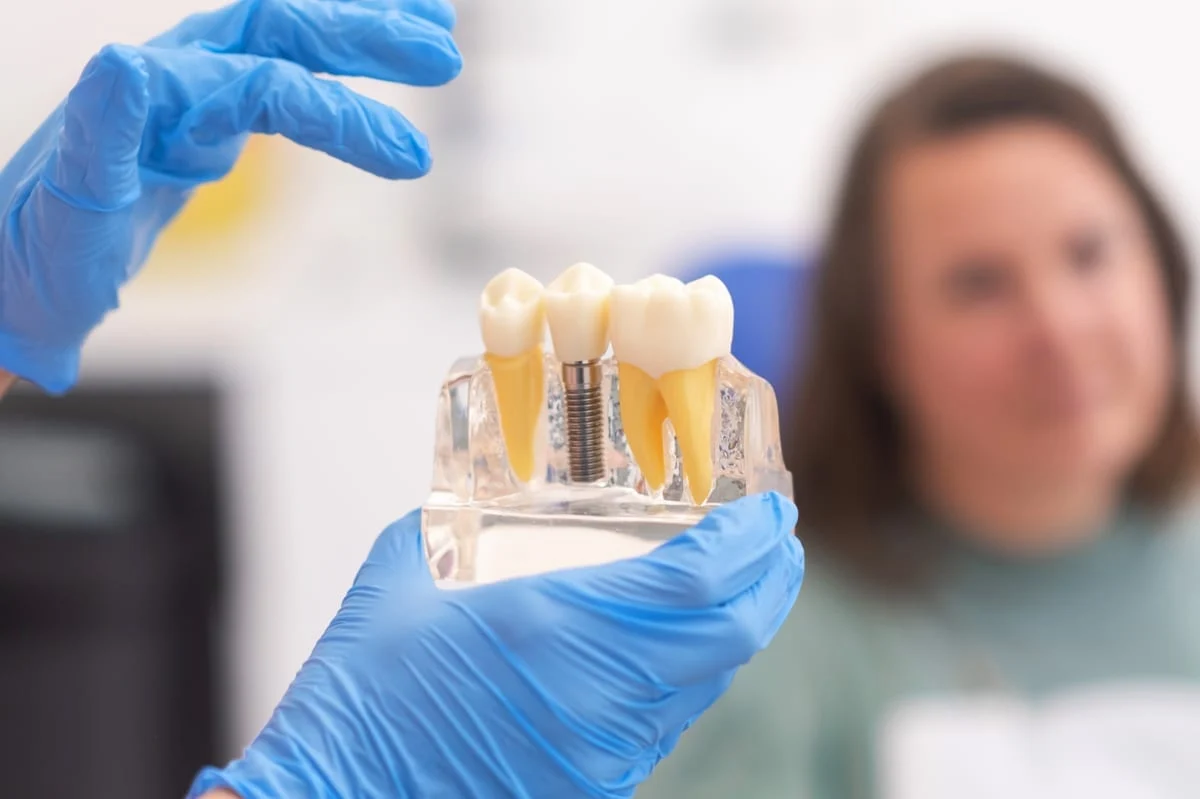
- A dental implant that requires a crown restoration on top
Our team at The Smile Code takes time to explain exactly why a crown is the right solution for your tooth. Good communication is central to our practice philosophy. We believe informed patients make confident decisions about their care.
Step-by-Step: Your First Crown Appointment From Start to Finish
The crown process typically involves two separate visits. The first appointment is the longer, more involved one. Here is what you can expect during that initial visit at our New York office.
Step 1 — Numbing and Anesthesia
Dr. Tabib begins by applying a topical numbing gel to your gum. This reduces any sensation before the local anesthetic injection. Most patients are surprised by how comfortable this step feels. Within a few minutes, the area is fully numb and you are ready to proceed.
Step 2 — Tooth Preparation
Once you are numb, Dr. Tabib reshapes your tooth. He removes a thin layer of enamel from all sides. This creates space for the crown to sit naturally without feeling bulky. The amount removed is carefully calculated to preserve as much healthy tooth as possible.
Step 3 — Digital Impressions
Next, our team takes a precise digital scan of your prepared tooth. This replaces the old-fashioned putty impression trays. The digital image is sent to our dental lab, where your custom crown is crafted. This step is quick, comfortable, and highly accurate.
Step 4 — Temporary Crown Placement
Before you leave, Dr. Tabib places a temporary crown over your prepared tooth. This protects the tooth while your permanent crown is being made. The temporary crown is designed to fit well and function normally. You will wear it for approximately two to three weeks.
Living With Your Temporary Crown: What to Expect
The time between your two appointments is important. Your temporary crown protects the tooth but is not as durable as the final restoration. A few simple precautions will help it stay in place and keep you comfortable.
Tips for caring for your temporary crown include:
- Avoid sticky or chewy foods like caramel or gum
- Chew on the opposite side of your mouth when possible
- Be gentle when flossing near the temporary crown
- Call our office right away if the temporary crown feels loose or falls off
- Continue brushing normally but avoid aggressive scrubbing near the crown
Some mild sensitivity to temperature is normal during this phase. Over-the-counter pain relief can help if you experience any discomfort. Most patients find the temporary crown period very manageable with these simple steps.
This phase is also a great time to ask questions. Our team is always available to address any concerns between your appointments. We want every patient to feel supported throughout the entire process.
Your Second Appointment: Seating the Final Crown
When your permanent crown is ready, you return to The Smile Code for your second appointment. This visit is typically shorter and more straightforward. Most patients find it much quicker than the first session.
Dr. Tabib begins by removing the temporary crown. He cleans the prepared tooth thoroughly before proceeding. The permanent crown is then tested for fit, bite alignment, and appearance. If any adjustments are needed, he makes them at chairside before cementing.
Once the fit is confirmed, Dr. Tabib bonds the crown permanently in place using a strong dental cement. You may be asked to bite down on a special strip to check your bite. Any minor high spots are polished away quickly. The entire second appointment usually takes thirty to forty-five minutes.
After your crown is seated, your tooth should feel and function just like a natural tooth. Some mild sensitivity is normal for a few days. Within a week, most patients forget the crown is even there. Proper care and regular checkups will help your crown last for many years.
How Preventive Care Supports Your Crown Long-Term
Once your crown is placed, ongoing dental care becomes even more important. The crown itself cannot get a cavity, but the tooth underneath still can. The gum tissue around the crown also needs regular attention. Consistent care protects your investment and your overall oral health.
Routine visits to The Smile Code support your crown through professional cleaning and monitoring. Our team checks the fit and integrity of your crown at every exam. We also screen for early signs of gum disease that could affect the crown margin. Explore our Preventive Dentistry New York services to learn how we protect your smile between restorative treatments.
For patients interested in enhancing the appearance of surrounding teeth alongside their crown, we also offer Cosmetic Dentistry New York solutions. Matching your crown to a refreshed, brightened smile is a popular option. Dr. Tabib can discuss aesthetic options during your consultation. A cohesive, healthy smile is always the goal.
Conclusion: You Are More Prepared Than You Think
Understanding your dental crown appointment explained step-by-step from start to finish in New York removes the fear of the unknown. Every phase — from numbing to temporary placement to final seating — has a clear purpose. Dr. Ramin Tabib and the team at The Smile Code are committed to making your experience as smooth and comfortable as possible. You deserve to feel confident walking into every appointment. Book Now to schedule your appointment with our team.
Frequently Asked Questions
Does getting a dental crown hurt?
Most patients experience very little discomfort during the crown procedure. Dr. Tabib applies a topical numbing gel before the local anesthetic injection, so you should not feel pain during tooth preparation. Some mild soreness or sensitivity after the appointment is normal and typically resolves within a few days.
How long does a dental crown last?
With proper care, a dental crown can last anywhere from ten to fifteen years or longer. Maintaining good oral hygiene, attending regular checkups, and avoiding habits like grinding your teeth all contribute to crown longevity. Dr. Tabib will monitor your crown at each visit to catch any issues early.
Can I eat normally after my crown is placed?
Once your permanent crown is fully bonded and any initial sensitivity has passed, you can eat normally. During the temporary crown phase, it is best to avoid sticky, hard, or chewy foods. After the final crown is cemented, most patients return to their regular diet within a day or two.
How do I know if I need a crown or just a filling?
Dr. Tabib will evaluate your tooth using a clinical exam and digital X-rays to determine the best treatment. A filling is appropriate for smaller areas of decay or minor damage. A crown is recommended when the tooth is severely weakened, cracked, or has decay too large for a filling to adequately restore.
What is the difference between a crown on an implant and a crown on a natural tooth?
Both types of crowns function similarly and are made from the same materials. A crown on a natural tooth is bonded to the prepared tooth structure beneath it. A crown on a dental implant attaches to a metal abutment that connects to the implant post in your jaw. The placement process differs slightly, but the result — a natural-looking, functional tooth — is the same.