Here is a truth most New Yorkers learn the hard way. Skipping a routine dental cleaning to save money almost always costs more in the end. Why your $50 cleaning today beats your $2,000 root canal tomorrow in New York is not just a catchy phrase — it is a financial and health reality. At The Smile Code, Dr. Ramin Tabib sees this pattern constantly. Small problems ignored become expensive emergencies fast.
Preventive dentistry is the smartest investment your mouth — and your wallet — can make. This article breaks down exactly why that is true with real numbers and real comparisons.
The True Cost of Skipping Preventive Care in New York
A routine dental cleaning in New York typically costs between $75 and $200. A root canal, however, can run anywhere from $1,000 to $2,500 depending on the tooth. Add a crown on top of that and you are looking at $3,000 to $5,000 total. The math is not complicated.
Cavities do not appear overnight. They develop slowly over months when plaque and bacteria go unchecked. A professional cleaning removes that buildup before it can eat through enamel. Catching decay early means a simple filling, not a root canal.
Consider these common cost comparisons:
- Teeth cleaning: $75–$200 vs. root canal + crown: $3,000–$5,000
- Early cavity filling: $150–$300 vs. tooth extraction + implant: $3,500–$6,000
- Oral cancer screening: Included in checkup vs. late-stage treatment: tens of thousands of dollars
- Digital X-rays: $25–$200 vs. emergency dental surgery: $2,000+
These numbers are not meant to frighten you. They are meant to show you where your dental dollars go furthest.
What Actually Happens During a Preventive Visit
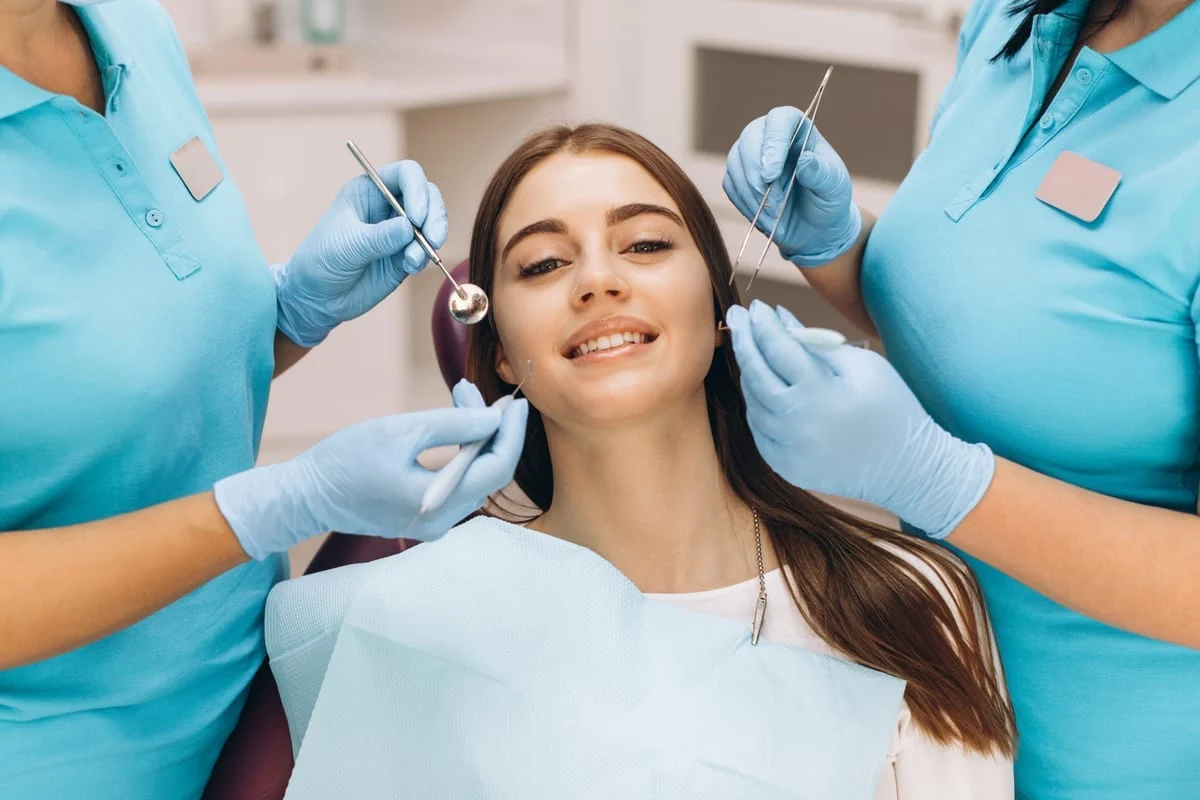
Many patients assume a cleaning is just a polish and a rinse. It is actually much more than that. At The Smile Code, every preventive visit covers multiple layers of your oral health. Dr. Ramin Tabib and his team treat each appointment as a full health evaluation.
Here is what a standard preventive visit includes:
- Professional teeth cleaning to remove hardened tartar your toothbrush cannot reach
- Digital X-rays to detect decay, bone loss, or issues hiding beneath the surface
- Oral cancer screening to catch abnormal tissue changes early when treatment is most effective
- Gum health assessment to identify early signs of periodontal disease
- Personalized home care guidance tailored to your specific risk factors
Each of these steps exists for a reason. Digital X-rays can spot a cavity between teeth long before it causes pain. Oral cancer screenings take less than two minutes and can literally save your life. These are not extras — they are essential.
Why New Yorkers Delay Dental Visits — And Why That Backfires
New York City life is busy. Between long work hours, commuting, and family responsibilities, dental appointments get pushed down the list. Many patients tell Dr. Tabib they avoided coming in because they had no pain. That logic is understandable but dangerous.
Dental disease is largely painless in its early stages. A cavity in enamel does not hurt. An infection forming at a root tip may go unnoticed for months. By the time pain arrives, the problem has usually become a much bigger and more expensive situation.
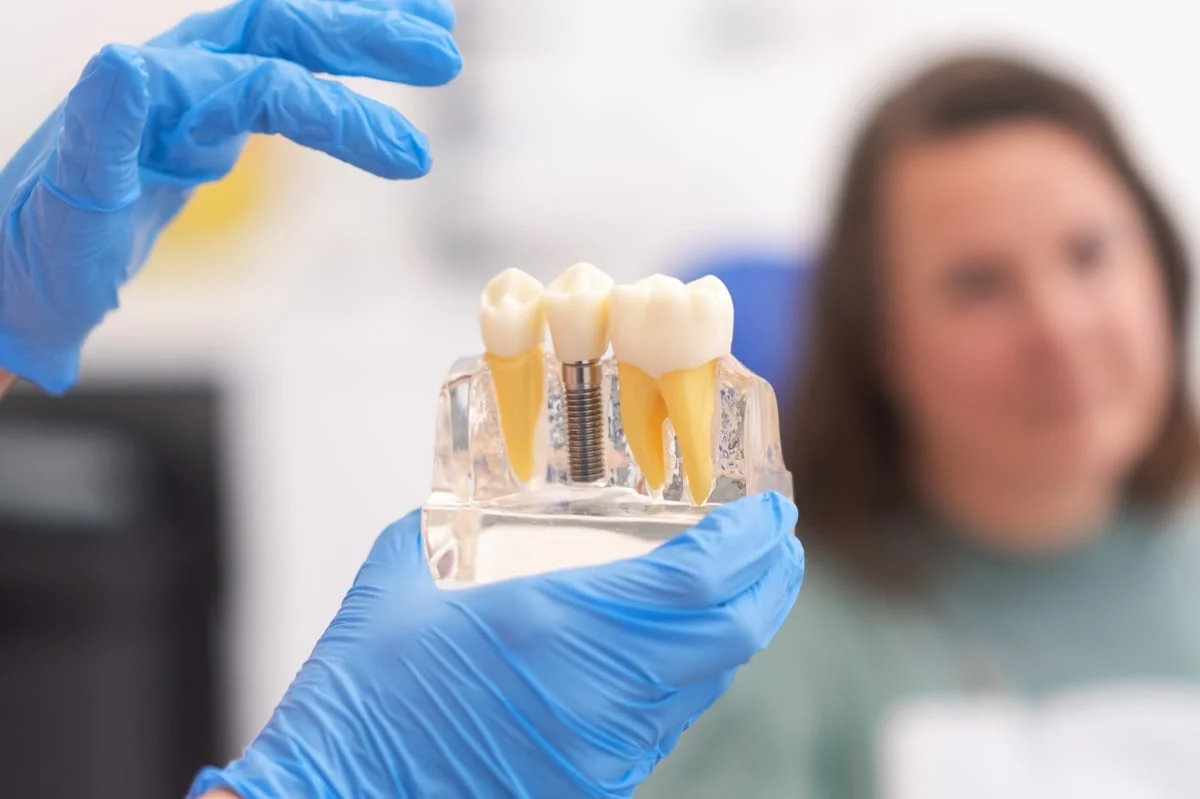
Gum disease follows the same pattern. Gingivitis is reversible with a cleaning and better home care. Left untreated, it progresses to periodontitis — which destroys bone and can lead to tooth loss. Replacing a lost tooth with a Dental Implants New York solution is effective, but it costs significantly more than preventing the loss in the first place.
Pain is a late warning signal in dentistry. Do not wait for it.
How Preventive Care Connects to Your Overall Health
Your mouth is the gateway to your body. Research consistently links poor oral health to serious systemic conditions. These include cardiovascular disease, diabetes complications, and respiratory infections. This connection makes preventive dental care a whole-body investment.
Bacteria from untreated gum disease can enter the bloodstream. Once there, it contributes to inflammation that affects the heart and other organs. Patients with diabetes are especially vulnerable because high blood sugar slows the body’s ability to fight oral infections.
Preventive visits also give Dr. Tabib an opportunity to spot signs of conditions like acid reflux, nutritional deficiencies, and sleep apnea. These often show symptoms in the mouth before patients receive a formal diagnosis. Early detection through regular checkups creates real opportunities for early intervention.
Taking care of your teeth is taking care of your health — full stop.
Preventive Dentistry vs. Cosmetic Fixes: Understanding the Difference
Some patients skip preventive care but consider cosmetic treatments when they want a better smile. Cosmetic work can be transformative. However, it requires a healthy foundation to last. Cosmetic Dentistry New York procedures like veneers or whitening work best on teeth that are structurally sound and decay-free.
If gum disease or decay is present, cosmetic work may fail prematurely. A veneer placed over a tooth with hidden decay will eventually need to come off for treatment anyway. Building your smile on a preventively maintained foundation protects your investment — cosmetic and otherwise.
Preventive care and cosmetic goals are not opposites. They work together. The best cosmetic results start with healthy teeth and gums.
Making Preventive Dentistry a Habit in New York
The standard recommendation is two professional cleanings and checkups per year. Some patients with higher risk factors — such as a history of gum disease or dry mouth — benefit from more frequent visits. Dr. Tabib personalizes every patient’s schedule based on their specific needs.
Establishing a preventive routine is straightforward. Schedule your first appointment, commit to the six-month cadence, and brush and floss consistently between visits. These steps form the backbone of lifelong oral health.
New York offers world-class dental care. Taking advantage of it proactively is far wiser than seeking emergency treatment when a problem reaches a crisis point. The Smile Code team makes every visit efficient, comfortable, and genuinely informative for every patient.
Your future self — and your bank account — will thank you for starting now. Book Now to schedule your appointment with our team.
Frequently Asked Questions
How often should I get a dental cleaning in New York?
Most adults benefit from professional teeth cleaning every six months. Patients with a history of gum disease, dry mouth, or higher cavity risk may need visits every three to four months. Dr. Ramin Tabib will recommend a schedule based on your individual oral health needs.
Is a routine dental cleaning painful?
For most patients, a professional cleaning is comfortable and quick. You may feel some pressure or mild sensitivity, especially if it has been a while since your last visit. The hygienist works carefully to make the experience as comfortable as possible.
What is included in an oral cancer screening at The Smile Code?
An oral cancer screening involves a visual and physical examination of your lips, tongue, gums, throat, and surrounding tissues. Dr. Tabib checks for unusual lumps, sores, or discoloration that may require further evaluation. The screening takes only a few minutes and is included in your routine checkup.
At what point does a cavity require a root canal instead of a filling?
A filling is appropriate when decay is limited to the outer layers of the tooth — the enamel and dentin. If decay reaches the inner pulp where nerves and blood vessels live, a root canal is necessary to remove the infected tissue. Catching cavities early during regular checkups almost always allows for the simpler and less expensive filling option.
Can preventive dental care really save me money long-term?
Absolutely. Routine cleanings and checkups typically cost a small fraction of what restorative treatments like root canals, crowns, or implants cost. Identifying problems early — when they are small — allows for conservative and affordable treatment. Consistent preventive care is one of the most cost-effective health decisions you can make.